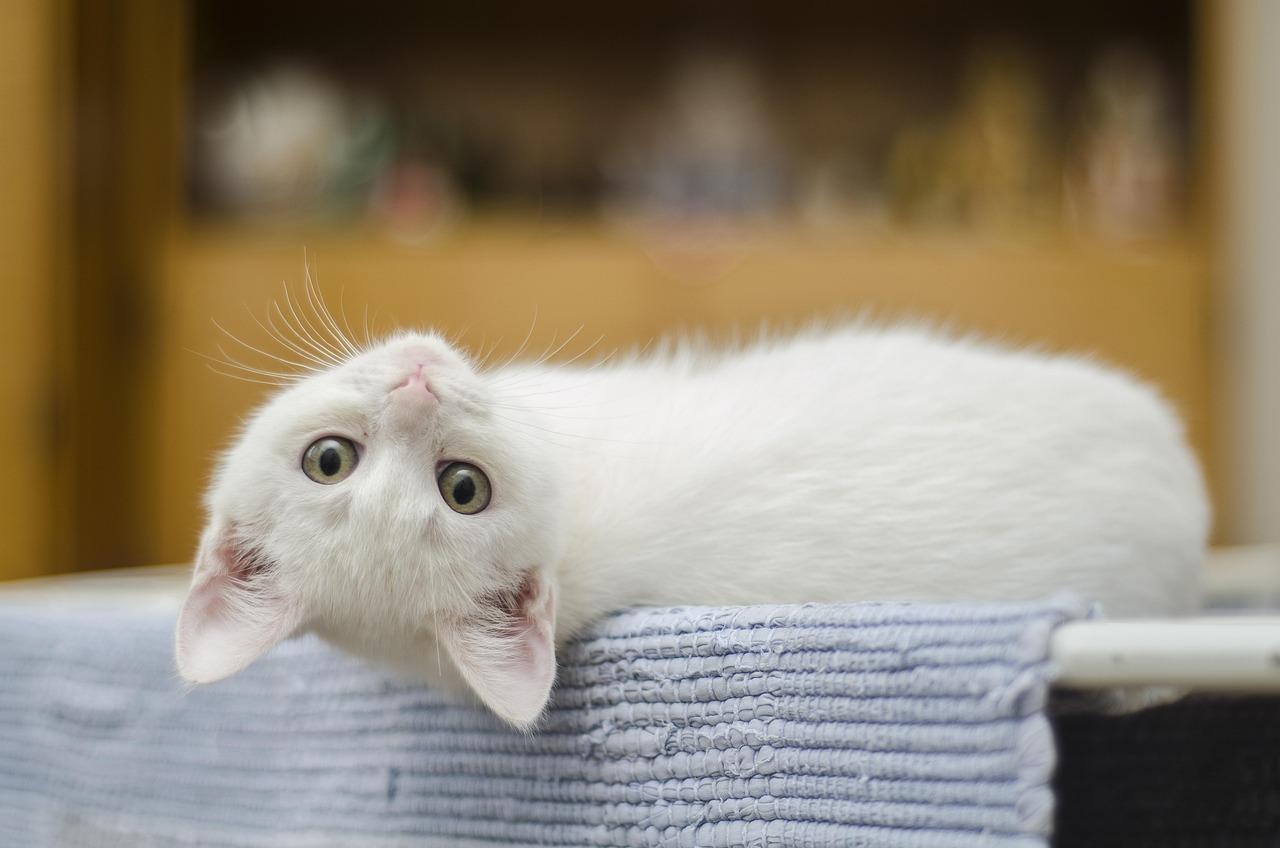
The origins of domestic cats can be traced back thousands of years to their wild ancestors. The ancient history of cats dates back to the Near East, where they were first domesticated by human civilizations. It is believed that cats were initially attracted to human settlements because of the abundance of rodents, providing a mutually beneficial relationship.
As early agricultural societies began to flourish, so did the presence of cats. They were revered for their hunting abilities and ability to keep grain stores free from pests. In ancient Egypt, cats were revered as sacred animals and were even worshipped as gods. The Egyptian goddess Bastet was often depicted as a lioness or a domestic cat, symbolizing fertility and protection.
The spread of domestic cats across the world can be attributed to trade and exploration. Cats were aboard ships during the Age of Exploration, helping to control vermin and protect valuable cargo. Their adaptability and usefulness ensured their presence in societies across the globe. Today, cats continue to be beloved companions and treasured pets, a testament to their enduring legacy from ancient times.
Wild Ancestors
The African wildcat can still be found in various regions of Africa and the Middle East today, exhibiting many of the same traits as our modern domestic cats. These wild ancestors have retained their keen hunting instincts, agile bodies, and solitary nature over the millennia. Despite their independence, African wildcats have been known to form unique relationships with humans, demonstrating the potential for domestication.
Observing the behavior and characteristics of wild ancestors like the African wildcat can provide valuable insights into the evolution of domestic cats. By studying their hunting techniques, social interactions, and physical adaptations, researchers can gain a better understanding of how these animals have adapted to coexist with humans over time. The influence of these wild ancestors can still be seen in our beloved domestic cats today, reminding us of their ancient origins and natural instincts.
Modern Breeds
Today, there are over 70 recognized breeds of domestic cats, each with its own unique characteristics and traits. From the sleek Siamese to the fluffy Maine Coon, these modern breeds have a long and fascinating history that dates back centuries.
One of the most popular modern breeds is the Persian cat, known for its luxurious coat and sweet temperament. This breed was believed to have originated in Persia (modern-day Iran) and was first introduced to Europe in the 1600s. Over the years, Persians have been bred for their distinctive appearance, making them one of the most iconic cat breeds in the world.
Another well-known breed is the Bengal cat, a strikingly beautiful feline that resembles a wild leopard. Bengals were created by crossing domestic cats with the Asian leopard cat, resulting in a breed that is both playful and extremely intelligent. Their exotic appearance and lively personality make them a favorite among cat lovers.
The Sphynx cat, often referred to as the "naked cat," is a breed known for its hairless appearance. Despite their lack of fur, Sphynx cats are incredibly affectionate and social creatures, making them ideal companions for those looking for a unique pet. These modern breeds, along with many others, showcase the diversity and beauty of domestic cats in the modern era.
Human Companionship
One of the most fascinating aspects of domestic cats is their close relationship with humans. Unlike their solitary wild relatives, domestic cats have formed unique bonds with humans over thousands of years of cohabitation. This companionship has greatly shaped the behavior and evolution of domestic cats.
Humans have been keeping cats as pets for at least 4,000 years, with evidence dating back to ancient Egypt. Cats were highly valued for their ability to control pests like rodents, making them essential members of households and communities. Over time, cats became more than just useful animals - they became beloved companions, providing emotional support and companionship to their human counterparts.
Today, domestic cats are one of the most popular pets worldwide. They offer comfort, affection, and a sense of connection to their owners. In return, humans provide cats with food, shelter, and care. This mutual relationship has led to the success and proliferation of domestic cats in households around the world.